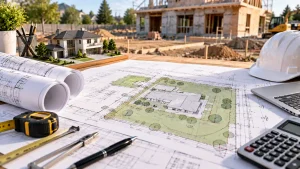

One of the most common questions homeowners ask before starting a construction project is, “Do I Need a Site Plan for a Building Permit?” In many cases, the answer is yes. Whether you’re building a home addition, detached garage, deck, shed, pool, or accessory dwelling unit (ADU), your local building department may require a site plan before approving your permit application.
A site plan helps building officials understand how your proposed project fits on your property and whether it complies with local zoning regulations. It provides a clear layout of property lines, existing structures, setbacks, easements, driveways, and the location of the proposed construction. Without this information, permit reviewers cannot accurately determine whether your project meets local development standards.
Although permit requirements vary by city and county, submitting a complete and accurate site plan can help prevent unnecessary delays, correction notices, and permit rejections. Understanding the site plan requirements before beginning your project can save both time and money throughout the approval process.
What Is a Site Plan for a Building Permit?
A Site Plan for a Building Permit is a scaled drawing that illustrates the existing conditions of a property and the location of proposed construction. It gives building departments a complete overview of the lot, allowing reviewers to verify that the project complies with applicable zoning codes and building regulations before a permit is issued.
A typical Site Plan for a Building Permit shows important property information, including property boundaries, existing buildings, proposed structures, setback distances, driveways, sidewalks, easements, and other site features required by the local jurisdiction. Depending on the type of project, additional information may also be required.
Unlike architectural floor plans, which show the interior layout of a building, a Site Plan for a Building Permit focuses on how the proposed project fits within the property. It helps reviewers verify property boundaries, required setbacks, and overall zoning compliance, making the permit review process more accurate and efficient.
When Do You Need a Site Plan for a Building Permit?
The need for a Site Plan for a Building Permit(Online Building Permit) depends on the type and scope of your construction project. Most projects that change the size, location, or footprint of a structure require a site plan as part of the permit application process. A site plan helps the building department review important project details, including property boundaries, existing structures, proposed construction areas, setbacks, and compliance with local zoning and building regulations. Projects that commonly require a Site Plan for a Building Permit include:
- Home additions
- New home construction
- Detached garages
- Storage sheds
- Swimming pools
- Decks and patios
- Accessory dwelling units (ADUs)
- Commercial buildings and tenant improvements
Minor interior remodeling projects, such as replacing flooring, cabinets, or fixtures, generally do not require a site plan because they do not affect the property’s exterior layout or site conditions. However, permit requirements vary by location and local building codes. It is always recommended to confirm the requirements with your local building department before submitting your application.
Why Do Building Departments Require a Site Plan for a Building Permit?
Building departments require a Site Plan for a Building Permit to verify that a proposed project complies with local zoning, safety, and development regulations. Reviewing a site plan before construction begins helps ensure that structures are placed correctly, legally, and without creating conflicts with neighboring properties or public infrastructure. A Site Plan for a Building Permit allows permit reviewers to confirm important details, including:
- Property boundaries and lot dimensions
- Required setback distances
- Building location on the property
- Easements and utility access
- Driveways and parking areas
- Compliance with local zoning regulations
Accurate site plans also help identify potential issues before construction starts. Finding problems such as setback violations, zoning conflicts, or easement restrictions during the review process is much less costly than making corrections after construction has already begun.
What Should a Site Plan Include?
Although requirements vary between jurisdictions, most building departments expect a site plan to include several standard elements that allow reviewers to evaluate the proposed project accurately. A complete site plan typically includes:
- Property lines with dimensions
- Existing buildings and structures
- Proposed construction location
- Setback measurements
- Streets, sidewalks, and driveways
- Easements and utility areas
- North arrow and drawing scale
- Title block with the property address and parcel information
Some projects may also require grading information, drainage details, landscaping, or utility connections depending on local regulations. Reviewing your city’s permit checklist before preparing your drawings can help ensure that all required information is included.
Can You Draw Your Own Site Plan for a Building Permit?
Many homeowners ask if they can prepare their own Site Plan for a Building Permit instead of hiring a professional. In some areas, homeowner-drawn plans are accepted if they are accurate, drawn to scale, and include all required details.
However, creating a site plan requires more than a simple property sketch. Missing measurements, incorrect property lines, or omitted setbacks and easements can cause permit delays or rejection.
For simple residential projects, a homeowner-prepared plan may be acceptable. Larger additions, commercial projects, and properties with complex zoning requirements often benefit from professionally prepared site plans.
Common Reasons Building Permit Site Plans Get Rejected
A Site Plan for a Building Permit may be rejected if it does not meet local requirements or contains inaccurate information. Common issues include:
- Drawing is not to scale
- Missing property lines or dimensions
- Incorrect setback measurements
- Improperly labeled structures
- Missing easements or utility areas
- Incomplete title block information
Reviewing your site plan before submission can help avoid revisions and speed up the permit approval process.
DIY vs Professional Site Plan
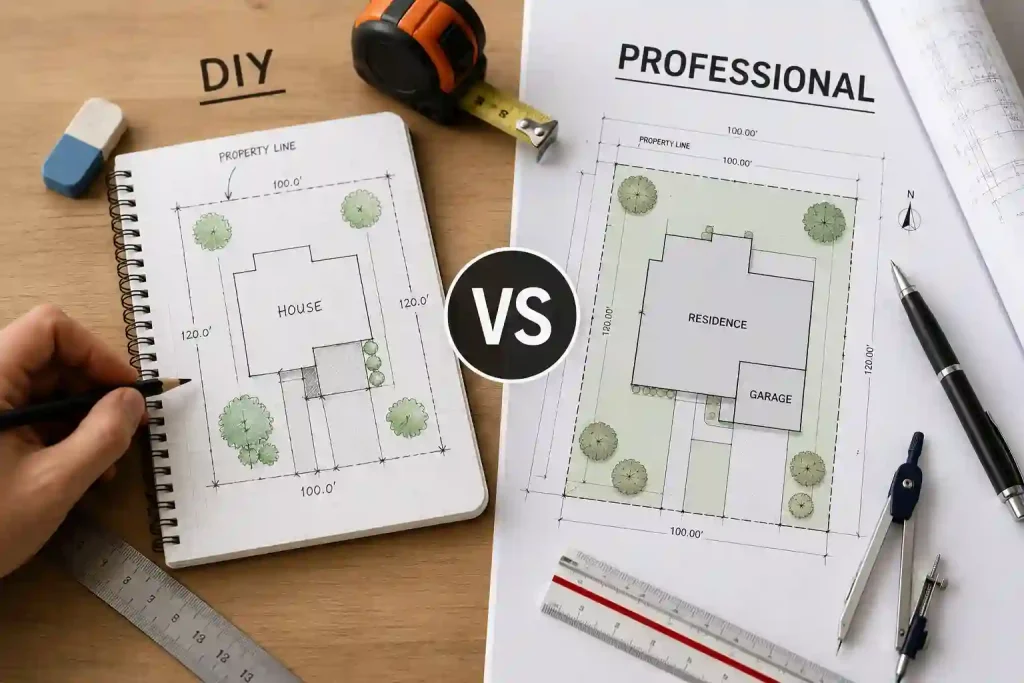
Many homeowners prepare their own site plans for simple residential projects, and some jurisdictions accept homeowner-drawn plans. If your project involves a small shed, deck, or minor addition on a straightforward property, a DIY site plan may be sufficient as long as it meets your city’s requirements.
However, larger projects often require greater accuracy. Home additions, detached garages, commercial buildings, corner lots, and properties with easements or unusual lot shapes usually benefit from professionally prepared drawings. If you’ve been asking, Do I Need a Site Plan for a Building Permit, choosing a professional service can help ensure your application meets local standards the first time.
Professional site plans reduce the risk of errors, improve permit review times, and help homeowners avoid costly redesigns caused by missing information or zoning conflicts.
How to Get a Site Plan for a Building Permit
If your local building department requires a site plan, gathering the necessary property information before preparing your permit application can save valuable time.
Most professionally prepared site plans begin with basic property details, including the property address, parcel number, and available survey or plot plan. The proposed construction is then added using accurate measurements while ensuring compliance with local setback and zoning requirements.
Before submitting your application, review the completed drawing carefully to confirm that all required information has been included. A complete and accurate site plan improves the chances of first-time approval and helps prevent unnecessary correction notices.
How Long Does It Take to Prepare a Site Plan?
The time required to prepare a site plan depends on the size and complexity of the project. A simple residential project may be completed relatively quickly, while larger developments or properties with unique zoning requirements may require additional research and revisions.
Once your site plan is complete, permit review times vary by jurisdiction. Some building departments issue approvals within a few business days, while others may require several weeks depending on application volume and project complexity. Submitting a complete permit package with an accurate site plan is one of the best ways to avoid unnecessary review delays.
Conclusion
A properly prepared site plan helps building departments verify zoning compliance, setbacks, property boundaries, and the location of proposed construction before issuing a permit. Submitting an accurate site plan can reduce delays, minimize revisions, and improve your chances of receiving permit approval the first time. If you’re unsure about your local requirements, working with an experienced drafting service can help ensure your permit application is complete and ready for review.
Frequently Asked Questions
Do I need a site plan for every building permit?
Not always. Many construction projects require a site plan, while minor interior renovations that do not change the building footprint may not. Always confirm the requirements with your local building department.
Can I submit a hand-drawn site plan?
Some jurisdictions accept hand-drawn site plans if they are accurate, drawn to scale, and include all required information. Others require professionally prepared permit drawings.
What information should a building permit site plan include?
Most site plans include property boundaries, existing and proposed structures, setback dimensions, driveways, easements, a north arrow, drawing scale, and a title block with property information.
How long does building permit approval take?
Approval times vary by city and project type. A complete application with an accurate site plan is generally reviewed much faster than an incomplete submission.
Can my permit application be rejected because of the site plan?
Yes. Missing dimensions, incorrect setbacks, inaccurate property lines, or incomplete drawings are among the most common reasons building permit applications are delayed or rejected.