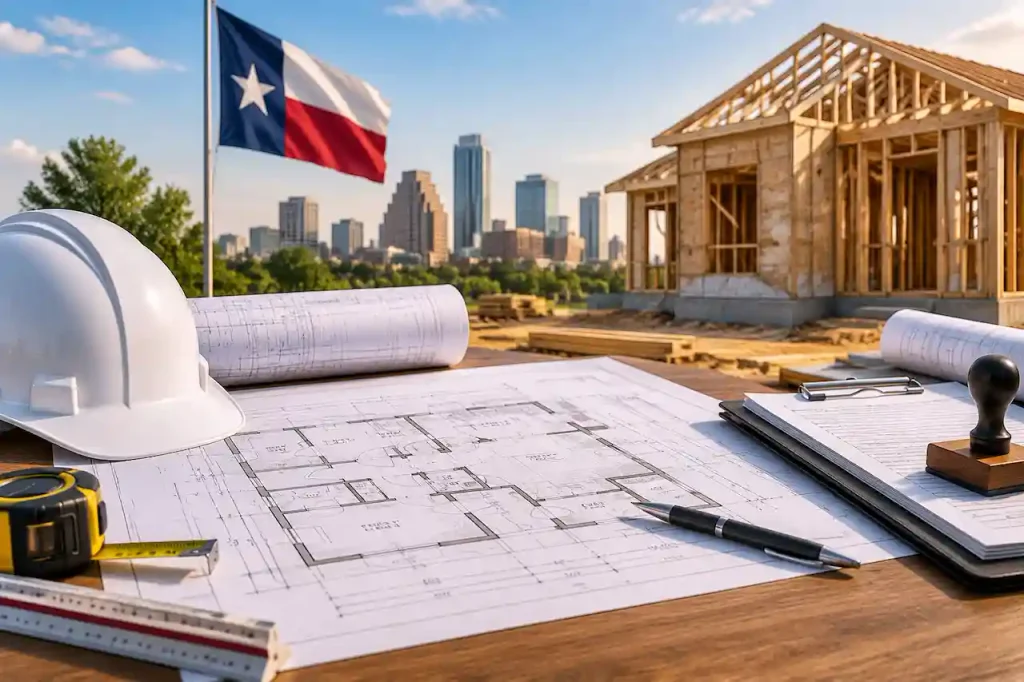
Texas is one of the most diverse permit environments in the country. Local permitting authority varies significantly between cities, counties, and unincorporated areas — and some areas of Texas have no building permits at all. This guide covers what you need to know for the most common Texas jurisdictions.
Does Texas Require Building Permits?
One of the most common questions homeowners ask is whether Texas requires building permits for residential construction projects. The answer depends largely on where the property is located. Unlike many states, Texas does not enforce a single statewide residential building code. Instead, cities, towns, and counties adopt their own building regulations and permit requirements.
When Is a Building Permit Required in Texas?
In most incorporated cities, permits are required for construction projects such as:
- New home construction
- Room additions
- Garage conversions
- Structural alterations
- Decks and patios
- Fences
- Swimming pools
- Major home renovations
These permits help local governments ensure that construction complies with safety standards, zoning regulations, setback requirements, and utility codes. They also help protect homeowners by ensuring that projects meet local building standards before work begins.
Why You Should Check Local Permit Requirements
Permit requirements can vary significantly between jurisdictions. A project that requires a permit in one Texas city may not require one in another. This is why understanding local regulations is a critical step when learning How to Get a Building Permit in Texas.
Even if your project seems minor, contacting your local building department before construction begins can save time, money, and potential legal issues later. Verifying permit requirements early can also help prevent project delays, costly corrections, and unexpected fines.
Why Building Permits Matter
Building permits are much more than a government formality. They help ensure that construction projects are safe, legally compliant, and properly reviewed before work begins. Obtaining the correct permit offers several important benefits for homeowners, contractors, and property investors.
Some of the key benefits include:
- Protecting public health and safety
- Ensuring compliance with local building codes
- Verifying zoning and setback requirements
- Maintaining property value
- Reducing liability for homeowners and contractors
- Simplifying future property sales
- Avoiding fines and stop-work orders
- Ensuring proper inspections during construction
Failing to obtain required permits can result in costly penalties, project delays, mandatory corrections, and complications when selling the property in the future. Taking the time to secure the proper permit is usually far less expensive than fixing permit-related issues after construction has already started.
Houston Building Permits
Houston is one of the most unique cities in the United States when it comes to development regulations. Unlike most major cities, Houston does not have a traditional residential zoning system. Despite this flexibility, homeowners and contractors must still obtain permits for many construction projects.
Houston building permits are administered through the city’s Public Works Department. Permits are generally required for:
- New home construction
- Room additions
- Garage conversions
- Structural renovations
- Accessory buildings
- Decks and patios
- Driveways and certain site improvements
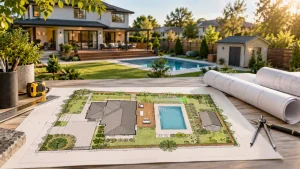
A site plan is typically required for exterior projects because reviewers need to verify property boundaries, easements, setbacks, and drainage considerations.
One advantage of Houston’s permit process is its digital submission system. Applicants can submit plans online through the city’s ePlan portal, reducing paperwork and simplifying communication with reviewers.
Houston Permit Review Process
The review process generally includes:
- Application submission
- Site plan review
- Building code compliance review
- Corrections (if required)
- Permit approval
- Construction inspections
Residential reviews often take between 5 and 10 business days, although timelines can vary depending on project complexity and seasonal workload.
Dallas Building Permits
Dallas follows a more traditional zoning and development framework. The city requires permits for most construction projects and carefully reviews plans for compliance with zoning ordinances, building codes, and neighborhood regulations. The Dallas Development Services Department oversees permit applications and reviews.
Projects commonly requiring permits include:
- New residential construction
- Home additions
- Detached structures
- Structural remodeling
- Foundation repairs
- Major renovations
- Commercial improvements
A detailed site plan is generally required for any project affecting the exterior footprint of the property. Professional site plan checker
What Dallas Reviewers Look For
When reviewing applications, Dallas officials typically evaluate Property boundaries, Existing structures, Proposed construction, Setback compliance, Utility easements, Building height limitations, Drainage impacts
Residential permit reviews generally take between 5 and 15 business days. Applicants can monitor progress through the city’s online ePlan portal.
Austin Building Permits
Austin has experienced rapid population growth over the last decade, creating increased demand for residential and commercial development. As a result, the city has invested heavily in improving its permitting process.
Building permits in Austin are managed through the Development Services Department (DSD). Most exterior residential projects require site plans and supporting documentation before permits can be approved.
Projects commonly requiring permits include:
- New homes
- Home additions
- Accessory dwelling units (ADUs)
- Garages
- Decks
- Structural remodels
- Retaining walls
Austin often requires site plans to follow specific formatting guidelines, including scale requirements, labeling standards, and detailed setback information.
Austin’s Digital Permit System
Austin has streamlined many procedures through its online portal, allowing applicants to:
- Submit permit applications
- Upload drawings
- Respond to correction comments
- Track review status
- Schedule inspections
Current residential review times typically range from 5 to 15 business days, depending on project scope.
Rural and Unincorporated Texas
Many property owners assume that being outside city limits means there are no regulations. While rural areas often have fewer restrictions, construction projects are not completely exempt from oversight.
Many unincorporated areas in Texas do not require traditional building permits. However, other regulations may still apply.
These may include:
- Septic system approvals
- Floodplain regulations
- County road access permits
- Drainage requirements
- Utility easements
- HOA restrictions
- Deed restrictions
Before beginning any project, property owners should verify all applicable requirements with county offices and homeowner associations.
Special Considerations for Rural Properties
Rural properties often face challenges related to:
- Water supply systems
- Septic installation
- Flood zones
- Agricultural exemptions
- Access roads
Even when no building permit is required, planning ahead helps avoid expensive corrections later.
Additional Documents Often Required for Texas Building Permits
When researching How to Get a Building Permit in Texas, many homeowners focus only on site plans. However, local jurisdictions may require additional documents depending on the project.
Common supporting documents include:
- Property surveys
- Floor plans
- Elevation drawings
- Structural details
- Engineering reports
- Energy compliance documents
- Contractor information
- HOA approval letters
Providing complete documentation from the beginning often speeds up the review process.
Practical Permit Review Checklist
Before submitting your application, review the drawing as though you are the city plan reviewer. The plan should clearly communicate what currently exists on the property, what work is proposed, and how the project complies with local regulations.
For How to Get a Building Permit in Texas, accurate documentation is often the difference between quick approval and multiple correction cycles.
Essential Items to Verify
- Project address is correct
- Owner information matches application records
- Existing and proposed structures are clearly labeled
- Setback dimensions are accurate
- Easements are shown
- North arrow is included
- Property lines are clearly identified
- Measurements are consistent across all drawings
Reviewing these details carefully before submission can significantly improve approval chances.
How to Prepare Your Project Details
Preparing accurate project information before ordering drawings can save considerable time during the permitting process.
Gather the following information:
- Property address
- Project description
- Photos of existing conditions
- Basic measurements
- Existing surveys
- HOA requirements
- Contractor sketches
- Previous permit records
Providing complete information allows drafting professionals to create more accurate permit-ready plans. The primary goal is not to create a complicated architectural package. Instead, focus on producing clear, professional, and easy-to-review drawings that satisfy local requirements.
Common Mistakes to Avoid
Many permit delays occur because applicants overlook small but important details. Reviewers often reject applications not because projects are unsafe, but because submitted plans are incomplete or inconsistent.
Common mistakes include:
- Using screenshots instead of scaled drawings
- Missing setback dimensions
- Incorrect property lines
- Unlabeled structures
- Outdated surveys
- Missing easements
- Incomplete applications
- Incorrect project descriptions
- Submitting low-quality PDFs
Another frequent issue is using generic plans that fail to address local requirements. Every jurisdiction has unique standards, and reviewers expect drawings to reflect project-specific conditions.
Final Tip for Faster Approval
If you want to simplify How to Get a Building Permit in Texas, focus on accuracy, clarity, and completeness. A well-prepared application package reduces review comments, minimizes delays, and increases the likelihood of receiving permit approval on the first review cycle.
Ready to Get Your Permit-Ready Plans?
24–48-hour standard delivery · Starting at $99 · reviewer-requested revisions within the original agreed scope · the published cancellation and refund policy
Frequently Asked Questions
Does Texas require a building permit for every construction project?
No. Texas does not have one statewide residential building permit requirement. Permit rules depend on the city, county, or local authority where the property is located. Many incorporated cities require permits for projects such as new homes, additions, structural changes, pools, decks, and major renovations.
What projects usually require a building permit in Texas?
Most Texas cities require permits for new home construction, room additions, garage conversions, structural alterations, decks, patios, fences, swimming pools, and major home improvements. Requirements can vary based on the local jurisdiction.
Do I need a site plan for a building permit in Texas?
In many cases, yes. A site plan helps reviewers verify property boundaries, setbacks, easements, drainage requirements, and existing or proposed structures. Requirements depend on the city and project type.
How long does it take to get a building permit approved in Texas?
Permit timelines depend on the city, project complexity, and review workload. For example, residential reviews may take around 5–10 business days in Houston and around 5–15 business days in Dallas and Austin, although complex projects may take longer.
What documents are needed for a Texas building permit?
Common supporting documents may include property surveys, floor plans, elevation drawings, structural details, engineering reports, energy compliance documents, contractor information, and HOA approval letters depending on the project.
Do rural properties in Texas need building permits?
Not always. Many rural and unincorporated areas have fewer permit requirements, but other approvals may still apply, including septic approvals, floodplain regulations, drainage requirements, utility easements, and HOA restrictions.
What information is needed before preparing permit plans in Texas?
Before creating permit-ready plans, it helps to gather the property address, project description, existing condition photos, measurements, surveys, HOA requirements, contractor sketches, and previous permit records.
Why do building permits get rejected in Texas?
Common reasons include incorrect property lines, missing setback dimensions, outdated surveys, unlabeled structures, incomplete applications, incorrect project descriptions, and poor-quality drawing submissions.
How can I increase my chances of getting a building permit approved faster?
Submitting accurate, complete, and easy-to-review drawings can reduce correction requests. Verify property lines, setbacks, easements, measurements, labels, and required documents before submission.
Can a professional drafting service help with Texas permit plans?
Yes. Professional drafting services can help prepare clear permit-ready drawings that meet local requirements and make the review process easier for homeowners and contractors.
Related Permit Resources
Related Blog Guides
Related resource: Texas site plan service area.